Independent Medical Examination
Electromyography (EMG) and Nerve Conduction Studies (NCS)
At Bridge Medical TBI Center, we use Electromyography (EMG) and Nerve Conduction Studies (NCS) to provide a deeper understanding of how your nerves and muscles are functioning. These diagnostic tests play a vital role in evaluating nerve injuries, muscle disorders, and neurological conditions that may not appear on structural imaging such as X-rays, CT scans, or MRIs.
Performed by Dr. Said M. Ibrahimi, MD, a board-certified Neurologist, subspecialist in Brain Injury Medicine, and Qualified Medical Evaluator (QME) in the state of California, EMG/NCS testing at our practice ensures accuracy, clarity, and expert interpretation.
What Are EMG and NCS?
Nerve Conduction Studies (NCS)
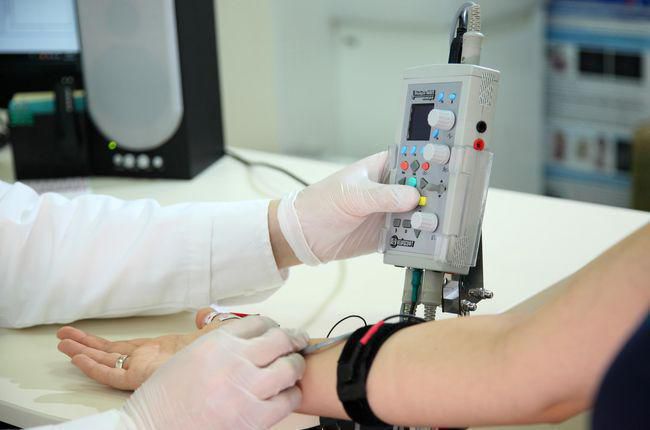
NCS measures how well electrical signals travel along your peripheral nerves. Small electrodes are placed on the skin to stimulate a nerve and record how quickly and effectively it responds. This test helps identify issues related to:
- Peripheral neuropathy (diabetic, traumatic, toxic, or idiopathic)
- Mononeuropathies such as carpal tunnel syndrome, ulnar neuropathy, or peroneal nerve compression
- Nerve injuries resulting from trauma, repetitive motion, or entrapment
- Nerve dysfunction associated with traumatic brain injury (TBI)
Electromyography (EMG)
EMG evaluates the electrical activity within your muscles using a very fine needle electrode. This allows your physician to determine whether muscle weakness or pain is caused by a muscle disorder or a problem in the nerves that control those muscles. EMG is especially valuable in diagnosing:
- Radiculopathies (pinched or irritated nerves in the cervical or lumbar spine)
- Myopathies and muscle diseases
- Motor neuron disorders
- Chronic nerve damage or nerve regeneration
How EMG/NCS Differ from MRI, CT, and X-rays
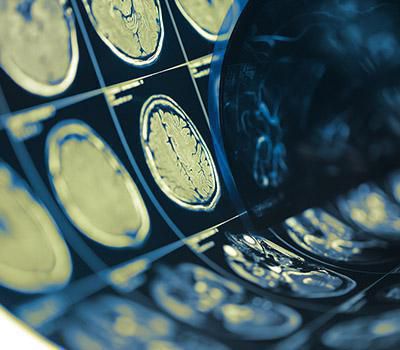
While imaging studies focus on structural changes such as bone alignment, disc issues, or soft tissue abnormalities, EMG/NCS are functional studies. They measure how your nerves and muscles actually perform, often revealing abnormalities that imaging cannot detect.
For patients experiencing symptoms such as numbness, tingling, weakness, pain, or unexplained loss of function, EMG/NCS can provide crucial answers even when MRI or CT findings appear normal. Contact us to learn more.
Why EMG/NCS Are Important in Brain Injury and Neurological Care
Patients with traumatic brain injury (TBI) or post-traumatic musculoskeletal complaints may develop peripheral nerve dysfunction or muscle abnormalities due to trauma, inflammation, or altered biomechanics. EMG/NCS helps clarify:
- Whether a symptom originates from a nerve, muscle, or the spine
- The severity of nerve damage
- Whether the condition is acute, chronic, or improving
- The precise location of nerve involvement
- Appropriate treatment pathways, including therapy, medication, or surgical evaluation
These studies are essential for creating accurate, personalized treatment plans and for supporting medicolegal evaluations when required.
What to Expect During the Test
When you arrive for your EMG/NCS appointment, you’ll be welcomed by our clinical team and guided through each step of the process to ensure your comfort and understanding. The entire test typically takes 30–60 minutes, depending on how many areas of the body need to be evaluated.
During Nerve Conduction Studies (NCS):
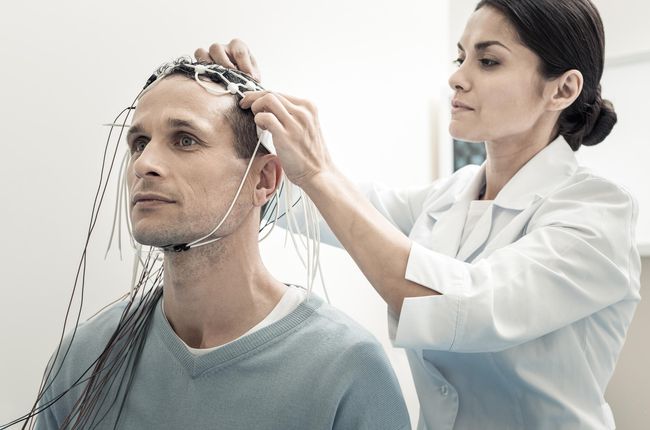
- Small surface electrodes are placed on your skin over specific nerves and muscles.
- You will feel brief, mild electrical impulses that stimulate the nerve.
- These pulses may cause your muscles to twitch slightly—this is normal and expected.
- The responses are recorded to measure the speed and strength of the nerve signals.
During Electromyography (EMG):
- A very fine, sterile needle electrode is gently inserted into selected muscles.
- You may feel a slight pinch or pressure during insertion.
- You’ll be asked to relax the muscle and then contract it slightly.
- The electrode records the electrical activity, showing how well the muscle and its nerve supply are functioning.
There are no lasting side effects. You may feel temporary mild soreness in the examined muscles, but most patients resume normal activities immediately after the test. Dr. Ibrahimi will review your medical history, explain the findings, and discuss next steps once the results are interpreted.
Conclusion
At Bridge Medical TBI Center, EMG and Nerve Conduction Studies are more than diagnostic tools—they are a pathway to clarity, accurate diagnosis, and effective treatment planning. Guided by the expertise of Dr. Said M. Ibrahimi, each test is performed with precision and compassion, ensuring patients receive the highest standard of neurological care. Whether your symptoms stem from trauma, nerve compression, muscle dysfunction, or spine-related issues, EMG/NCS provides invaluable insights that help us create targeted, evidence-based treatment plans. With convenient locations in San Jose, Fremont, Hayward, San Ramon, and Sacramento, our team is committed to supporting you on your journey toward recovery, function, and improved quality of life.
Call us or request an appointment at any of our locations in San Jose, Fremont, Hayward, San Ramon, or Sacramento. Your path to better neurological health begins here.