Traumatic Brain Injury - TBI
At Bridge Medical Neurodiagnostic Centers, we specialize in the evaluation and management support of Traumatic Brain Injury (TBI) in Fremont, CA, through advanced neurodiagnostic testing. Our experienced team uses leading-edge technology to assess the effects of brain trauma and provide essential data that guides recovery and rehabilitation.
Whether the injury is mild or severe, early and accurate diagnosis plays a vital role in preventing long-term complications and improving quality of life.
What Is a Traumatic Brain Injury (TBI)?
A Traumatic Brain Injury in Hayward, CA, occurs when a sudden external force, such as a blow, jolt, or penetrating object, disrupts the brain’s normal function. TBIs can vary in severity, ranging from mild concussions to life-threatening injuries with lasting neurological effects.
These injuries may impact:
- Cognitive functions (memory, attention, problem-solving)
- Physical abilities (balance, coordination, movement)
- Emotional and behavioral regulation (mood, impulse control)
- Sensory processing (vision, hearing, taste, touch)
At Bridge Medical Neurodiagnostic Centers, we evaluate these impacts using precise, non-invasive neurodiagnostic tests designed to detect abnormalities in brain activity and nerve function.
Different Types of Traumatic Brain Injuries in San Jose, CA
Not all TBIs are the same. Understanding the type of injury helps clinicians determine the best course of treatment and monitoring.
Concussion (Mild TBI)
A concussion is the most common form of TBI. It usually occurs after a blow or sudden movement that causes the brain to bounce or twist inside the skull.
Symptoms: Headache, dizziness, nausea, confusion, light sensitivity, and temporary memory loss.
Contusion
A contusion is a bruise on the brain tissue resulting from direct impact. It can cause localized bleeding and swelling that may require medical observation or surgery.
Symptoms: Headache, drowsiness, confusion, and localized neurological deficits.
Diffuse Axonal Injury (DAI)
This serious type of injury results from strong rotational forces that tear brain cell connections (axons). It often occurs in car accidents or severe falls.
Symptoms: Loss of consciousness, coma, or long-term cognitive impairment.
Penetrating Brain Injury
Occurs when an object (such as a bullet or sharp object) pierces the skull and damages brain tissue. These injuries often require immediate surgical intervention.
Symptoms: Severe bleeding, seizures, and neurological deficits depending on the area affected.
Coup-Contrecoup Injury
This injury involves damage to both sides of the brain—the initial impact site (coup) and the opposite side (contrecoup)—due to the brain moving within the skull.
Symptoms: Severe headaches, confusion, memory loss, and impaired motor coordination.
Secondary Brain Injury
Secondary brain injury refers to subsequent damage following the primary impact, such as swelling, oxygen deprivation, or bleeding that increases pressure on the brain.
Symptoms: Worsening neurological function over time, delayed cognitive or motor symptoms.
Common Causes of Traumatic Brain Injury in San Ramon, CA
TBIs can occur in many everyday situations, not just in high-impact accidents. Some of the most common causes include:
- Motor vehicle accidents
- Falls and slips, especially among older adults
- Sports-related injuries (football, cycling, boxing, etc.)
- Workplace or construction site accidents
- Violent assaults or physical abuse
- Explosive blasts (common among military personnel)
No matter the cause, prompt assessment is crucial. Even a mild TBI can lead to lasting complications if undiagnosed.
Recognizing the Symptoms of a TBI in Sacramento, CA
TBI symptoms may appear immediately or gradually over hours or days. They can affect physical, cognitive, and emotional health.
Physical Symptoms
- Headaches and migraines
- Nausea or vomiting
- Dizziness or balance issues
- Blurred or double vision
- Sensitivity to light or noise
- Fatigue or drowsiness
Cognitive and Emotional Symptoms
- Confusion, disorientation, or memory loss
- Difficulty concentrating
- Mood changes or irritability
- Depression or anxiety
- Impulsivity or emotional instability
Severe Symptoms (Seek Emergency Care)
- Prolonged unconsciousness
- Persistent vomiting
- Slurred speech
- Seizures or convulsions
- Unequal pupil sizes
If any of these occur after a head injury, immediate medical attention is essential. Contact Bridge Medical Neurodiagnostic Centers to learn more.
Diagnosis of Traumatic Brain Injury
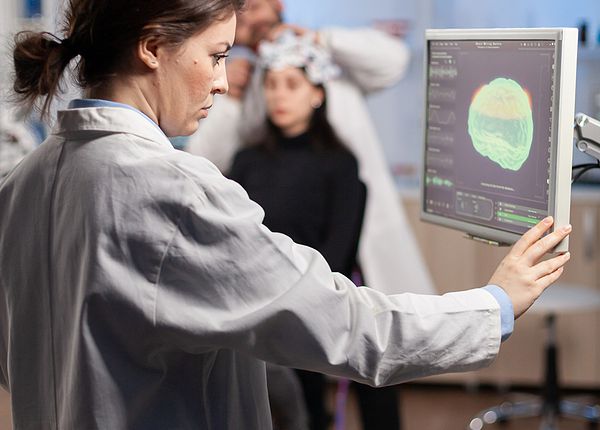
At Bridge Medical Neurodiagnostic Centers, we use advanced diagnostic tools to assess the impact of TBI on brain and nerve function. Our tests provide detailed insights beyond standard imaging, like CT or MRI scans.
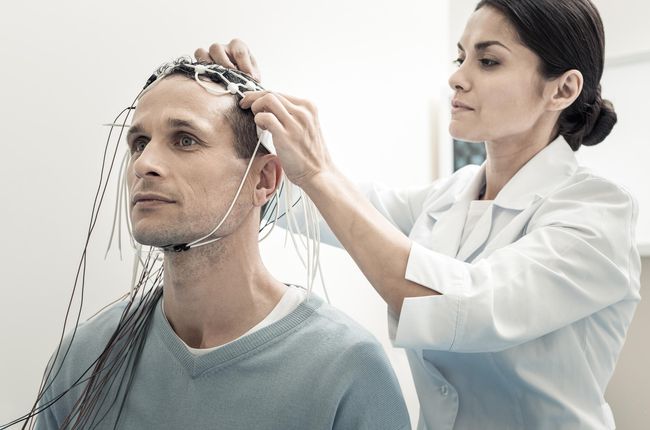
Electroencephalogram (EEG)
An EEG records electrical activity in the brain and helps detect abnormal wave patterns that may indicate trauma-related dysfunction or seizures.
Quantitative EEG (qEEG)
Also known as brain mapping, qEEG provides a more detailed, data-driven look at brainwave patterns to identify areas affected by injury.
Evoked Potentials (EP)
These tests measure the brain’s electrical response to specific sensory stimuli (visual, auditory, or touch). Delayed responses can indicate damage in neural pathways.
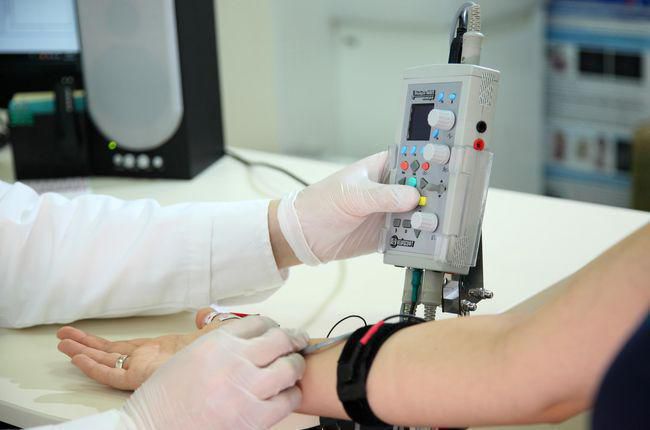
Nerve Conduction Studies (NCS) and Electromyography (EMG)
When TBIs involve peripheral nerve damage, these tests evaluate the communication between nerves and muscles to identify impaired regions.
Vestibular Function Testing
Helps evaluate dizziness, imbalance, or vertigo that often accompany TBIs affecting the inner ear or brainstem.
Each of these tests is performed by certified technologists under the supervision of board-certified neurologists, ensuring accurate and reliable results.
Treatment and Recovery for TBI
Treatment for TBI depends on its severity and the specific symptoms experienced. While Bridge Medical Neurodiagnostic Centers focuses on diagnostic testing, we work closely with neurologists, neurosurgeons, rehabilitation specialists, and primary care providers to ensure patients receive the appropriate therapy.
Mild TBI (Concussion)
- Rest and gradual return to activity
- Cognitive and physical monitoring
- Follow-up neurodiagnostic testing as needed
Moderate to Severe TBI
- Hospitalization or surgical intervention (if bleeding or swelling is present)
- Medications to control symptoms such as pain or seizures
- Neurorehabilitation programs
Long-Term Rehabilitation
- Cognitive therapy: Improves memory, focus, and problem-solving
- Physical therapy: Restores balance and mobility
- Occupational therapy: Supports daily living and work-related skills
- Speech and language therapy: Assists with communication or swallowing issues
- Psychological counseling: Addresses emotional or behavioral changes
Recovery from TBI can take weeks, months, or years, depending on the extent of the injury. Early diagnosis helps ensure that each stage of recovery is properly managed.
The Role of Neurodiagnostic Testing in TBI Management
Neurodiagnostic testing plays a critical role in:
- Confirming brain dysfunction when imaging appears normal
- Tracking brain recovery over time
- Guiding physicians and therapists in designing effective treatment plans
- Monitoring progress and detecting complications early
At Bridge Medical Neurodiagnostic Centers, our comprehensive approach ensures patients receive the clarity and information they need to move forward confidently in their recovery journey.
Take the First Step Toward Recovery
If you or someone you love has suffered a Traumatic Brain Injury, timely evaluation is essential. Contact Bridge Medical Neurodiagnostic Centers today to schedule an appointment at one of our locations in Fremont, Hayward, San Jose, San Ramon, or Sacramento, CA.
Our compassionate specialists are here to provide accurate diagnostics, clear answers, and the support you need on your path to healing.
Please reach out to our clinic in Fremont, Hayward, San Jose, San Ramon, and Sacramento, CA to have a consultation with our doctor, Dr. Ibrahimi. Please call us at (669) 235-4188 or schedule an online consultation, and we'll guide you further.